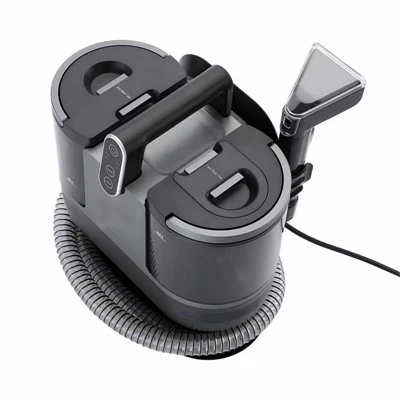
Hey there! As a supplier of high vacuum steam cleaners, I often get asked about the best ways to clean the attachments of these machines. Cleaning the attachments is super important for maintaining the efficiency and longevity of your high vacuum steam cleaner. So, let's dive right in and explore how to do it properly.
Why Cleaning Attachments Matters
First off, why should we even bother cleaning the attachments? Well, over time, dirt, dust, grime, and even some stubborn stains can accumulate on these parts. When the attachments are dirty, they won't work as well. For example, a clogged nozzle might not spray steam evenly, which can make it harder to clean carpets or upholstery. And if the attachment is dirty, it could potentially spread dirt rather than pick it up. Moreover, regular cleaning can prevent the growth of mold and bacteria, which is not only good for the machine but also for your health.
Types of Attachments and Their Cleaning Needs
High vacuum steam cleaners come with a variety of attachments, and each one has its own unique cleaning requirements.
Nozzles
Nozzles are probably the most crucial attachment. They're responsible for directing the steam exactly where you need it. To clean a nozzle, start by unplugging the steam cleaner and letting it cool down completely. Once it's cool, remove the nozzle from the machine. You can soak it in a bowl of warm, soapy water. I usually use a mild dish soap. Let it soak for about 15 - 20 minutes. This will help to loosen any dirt or debris stuck inside.
After soaking, take an old toothbrush or a small pipe cleaner. Gently scrub the inside and outside of the nozzle. Pay special attention to the small holes where the steam comes out. Sometimes, these holes can get blocked by mineral deposits if you've been using hard water. If that's the case, you can make a solution of equal parts water and white vinegar. Soak the nozzle in this vinegar solution for a bit longer, then scrub again. Rinse the nozzle thoroughly with clean water and let it dry completely before re - attaching it to the steam cleaner.
Brushes
Brushes are great for scrubbing dirt off carpets and upholstery. But they can also get filled with hair, lint, and dirt. To clean a brush attachment, remove it from the steam cleaner. First, use your fingers or a comb to pull out any large pieces of hair or debris. Then, fill a sink or a bucket with warm, soapy water. Submerge the brush in the water and swish it around vigorously. You can also use your hand to work the soap into the bristles.
Rinse the brush under running water until the water runs clear. Squeeze out any excess water gently. Don't be too rough, as you don't want to damage the bristles. You can then let the brush air - dry. Placing it in a well - ventilated area will speed up the drying process. If you have a Green Proheat Carpet Cleaning Machine, make sure to clean the brush attachments regularly to keep it performing at its best.
Extension Wands
Extension wands are useful for reaching high or hard - to - reach areas. They can get dusty and dirty on the outside, and sometimes, debris can get trapped inside. To clean the outside of an extension wand, use a damp cloth and wipe it down. You can add a little bit of mild cleaner to the cloth if there are stubborn stains.
For the inside of the wand, you can use a long, thin brush or a pipe cleaner. Insert it into the wand and move it back and forth to remove any dirt or dust. If the wand is really dirty, you can also fill it with warm, soapy water and let it sit for a while. Then, drain the water and rinse the wand with clean water. Make sure it's completely dry before using it again.


Upholstery Tools
Upholstery tools are designed to clean sofas, chairs, and other fabric furniture. These tools can pick up a lot of dirt, pet hair, and stains. Similar to the brushes, start by using a comb or your fingers to remove any large debris. Then, soak the upholstery tool in warm, soapy water. Use an old toothbrush to gently scrub the tool, especially the areas that come into contact with the fabric.
Rinse the tool thoroughly and let it dry. If your upholstery tool has small holes or slits, make sure they're not blocked. You can use a toothpick or a thin wire to clear any blockages. If you own a Portable Carpet Cleaner 2026, proper cleaning of the upholstery tool is essential for keeping your furniture looking clean.
General Tips for Cleaning Attachments
- Read the Manual: Always refer to the user manual that came with your high vacuum steam cleaner. It will have specific instructions on how to clean the attachments. Different models might have different requirements.
- Use the Right Cleaning Agents: As mentioned earlier, mild dish soap and white vinegar are great for cleaning most attachments. Avoid using harsh chemicals, as they can damage the plastic, rubber, or metal parts of the attachments.
- Dry Thoroughly: Wet attachments can lead to rust, mold, or electrical problems. Make sure all the attachments are completely dry before storing them or re - attaching them to the steam cleaner.
Troubleshooting
Sometimes, you might encounter some problems while cleaning the attachments. For example, if a nozzle is still blocked after cleaning, you can try using a small needle to carefully poke through the holes. But be very careful not to damage the nozzle.
If a brush or an upholstery tool has a really stubborn stain, you can try using a specialized fabric cleaner. Just make sure to test it on a small, inconspicuous area first to make sure it doesn't cause any discoloration.
Conclusion
Cleaning the attachments of a high vacuum steam cleaner is not that difficult, but it does require a bit of time and effort. By following these steps, you can ensure that your high vacuum steam cleaner and its attachments work efficiently for a long time. Whether you're using a Steam Fabric Cleaner for Household Use, a Fabric Wet Vacuum Cleaner, or a Suction Carpet Cleaner, proper attachment cleaning is key.
If you're in the market for a high - quality high vacuum steam cleaner or need more advice on cleaning and maintenance, feel free to reach out. We're here to help you make the most out of your cleaning experience.
References
- Manufacturer's manuals of high vacuum steam cleaners
- General cleaning guides for household appliances