As a supplier of eco-friendly steam cleaners, I often get asked about the water consumption of these amazing cleaning devices. In this blog post, I'll delve into the details of how much water an eco-friendly steam cleaner consumes, the factors that influence this consumption, and why it matters in the context of sustainable cleaning.
Understanding the Basics of Eco-Friendly Steam Cleaners
Eco-friendly steam cleaners are designed to use the power of steam to clean a variety of surfaces without the need for harsh chemicals. They work by heating water to a high temperature, which then turns into steam. This steam is then released through a nozzle, which can be used to clean, disinfect, and deodorize surfaces.
One of the key advantages of eco-friendly steam cleaners is their low water consumption compared to traditional cleaning methods. This is because steam is a highly efficient cleaning agent that can penetrate deep into surfaces, loosening dirt and grime with minimal water usage.
How Much Water Does an Eco-Friendly Steam Cleaner Consume?
The water consumption of an eco-friendly steam cleaner can vary depending on several factors, including the type of cleaner, the cleaning task, and the settings used. On average, a typical eco-friendly steam cleaner consumes between 0.5 to 2 liters of water per hour of use.
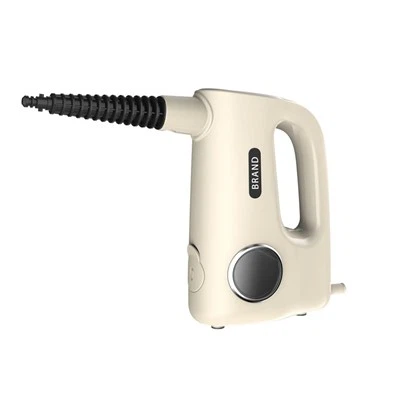
For example, a handheld steam cleaner, which is ideal for small cleaning tasks such as cleaning countertops, appliances, and small upholstery, may consume around 0.5 to 1 liter of water per hour. These cleaners are usually lightweight and portable, making them easy to use for quick clean-ups.
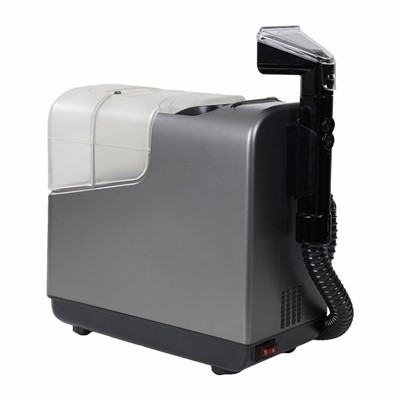
On the other hand, a larger, more powerful steam cleaner, such as a Deep Steam Cleaner for Home, which is designed for more extensive cleaning tasks like carpet and upholstery cleaning, may consume up to 2 liters of water per hour. These cleaners typically have a larger water tank and more powerful heating elements, allowing them to generate more steam and clean larger areas more efficiently.
Factors Affecting Water Consumption
Several factors can influence the water consumption of an eco-friendly steam cleaner:
- Cleaning Task: Different cleaning tasks require different amounts of steam and, therefore, different amounts of water. For example, cleaning a heavily soiled surface may require more steam and water than cleaning a lightly soiled surface.
- Steam Output: The steam output of a steam cleaner is measured in grams per minute (g/min). A higher steam output means more steam is being produced, which generally requires more water. Some steam cleaners allow you to adjust the steam output, which can help you control water consumption.
- Duration of Use: The longer you use the steam cleaner, the more water it will consume. If you're cleaning a large area or multiple surfaces, you may need to refill the water tank more frequently.
- Water Tank Capacity: The size of the water tank in a steam cleaner determines how much water it can hold at one time. A larger water tank means you can use the steam cleaner for longer periods without having to refill it.
Why Water Consumption Matters
In today's world, where water conservation is becoming increasingly important, the water consumption of cleaning devices is a significant consideration. Eco-friendly steam cleaners offer a more sustainable alternative to traditional cleaning methods by using less water and eliminating the need for chemical cleaners.
By using an eco-friendly steam cleaner, you can reduce your water usage and minimize your environmental impact. Additionally, steam cleaning is a chemical-free cleaning method, which means it's safer for you, your family, and the environment.
Tips for Reducing Water Consumption
If you're looking to reduce the water consumption of your eco-friendly steam cleaner, here are some tips:


- Choose the Right Cleaner: Select a steam cleaner that is appropriate for the cleaning task at hand. Using a smaller, handheld steam cleaner for small tasks can help you save water.
- Adjust the Steam Output: Most steam cleaners allow you to adjust the steam output. Use a lower steam output for lighter cleaning tasks to reduce water consumption.
- Plan Your Cleaning: Before you start cleaning, plan out your tasks and surfaces to minimize the amount of time you spend using the steam cleaner. This can help you reduce water consumption.
- Maintain Your Steam Cleaner: Regularly clean and maintain your steam cleaner to ensure it's operating efficiently. A well-maintained steam cleaner will use less water and perform better.
Conclusion
Eco-friendly steam cleaners are a great choice for anyone looking for a sustainable and effective cleaning solution. By understanding how much water an eco-friendly steam cleaner consumes and the factors that influence this consumption, you can make an informed decision when choosing a steam cleaner and use it in a way that minimizes water usage.
If you're interested in learning more about our eco-friendly steam cleaners or have any questions about water consumption, please feel free to contact us for a procurement discussion. We're here to help you find the right cleaning solution for your needs.
References
- "Steam Cleaning: A Green Cleaning Solution." Environmental Protection Agency.
- "Water Conservation Tips for Homeowners." U.S. Department of Energy.