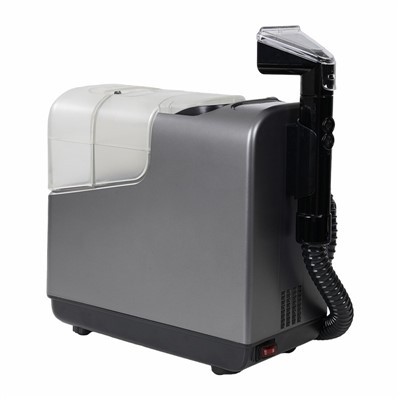
Hey there! As a supplier of kitchen floor steam mops, I often get asked about the power consumption of these nifty cleaning gadgets. It's a valid question, especially when you're looking to keep your energy bills in check while maintaining a spotless kitchen floor. So, let's dive into the details of what affects the power consumption of a kitchen floor steam mop and how you can make the most of it.
Understanding Power Consumption Basics
First off, power consumption is measured in watts (W). The wattage of a steam mop tells you how much electrical energy it uses per hour. For example, if a steam mop has a wattage of 1500W, it means it consumes 1500 watts of power every hour it's in use. To put it in simpler terms, the higher the wattage, the more electricity the steam mop will use.
But it's not just about the wattage. The actual power consumption also depends on how long you use the steam mop. If you run a 1500W steam mop for half an hour, it will consume 750 watt - hours (Wh) of electricity. And if you want to calculate your monthly or yearly energy costs, you'll need to know your electricity rate (usually measured in cents per kilowatt - hour, kWh).
Factors Affecting Power Consumption
There are several factors that can influence the power consumption of a kitchen floor steam mop:
Heating Time
One of the biggest factors is the heating time. Steam mops need to heat water to produce steam, and this process requires a significant amount of energy. Some steam mops heat up quickly, in as little as 30 seconds, while others may take a couple of minutes. Generally, steam mops with faster heating times tend to have higher wattages because they need to generate more power to heat the water rapidly.
Steam Output
The amount of steam a mop produces also affects power consumption. Steam mops with higher steam output settings usually use more electricity. If you're using a high - steam setting to tackle tough stains, you'll be using more power than if you're using a lower setting for regular cleaning.
Run Time
The length of time you use the steam mop is another crucial factor. If you have a large kitchen and need to clean for an extended period, the power consumption will be higher. Some steam mops have larger water tanks, which means they can run for longer without needing a refill. However, these models may also have higher wattages to maintain the steam output over a longer period.


Comparing Different Types of Steam Mops
Let's take a look at some different types of steam mops and how their power consumption might vary:
Professional Floor Steam Cleaner
Professional floor steam cleaners are designed for heavy - duty cleaning. They often have higher wattages, typically ranging from 1800W to 2200W. These mops are built to handle large areas and tough stains, so they need more power to generate a high - pressure steam output. If you're a professional cleaner or have a large commercial kitchen, a professional floor steam cleaner might be the way to go. However, keep in mind that their high wattage means they'll consume more electricity.
Steam Mop and Handheld Cleaner
This type of steam mop combines the functionality of a floor mop and a handheld cleaner. They usually have a lower wattage compared to professional steam cleaners, ranging from 1200W to 1500W. The handheld part is great for cleaning hard - to - reach areas like countertops and corners. Since they're not as powerful as professional models, they consume less electricity, making them a good choice for small to medium - sized kitchens.
Steam Mop with Handheld Attachments
Similar to the steam mop and handheld cleaner, this model comes with additional handheld attachments. The wattage is also in the range of 1200W to 1500W. The attachments add versatility to the steam mop, allowing you to clean different surfaces with ease. And because of their relatively lower wattage, they're more energy - efficient for everyday home use.
Tips to Reduce Power Consumption
If you're concerned about the power consumption of your kitchen floor steam mop, here are some tips to help you save energy:
- Use the Right Setting: Only use the high - steam setting when you really need it. For regular cleaning, a lower setting will do the job just fine and use less power.
- Pre - soak Stubborn Stains: If you have tough stains, pre - soak them with water or a mild cleaning solution before using the steam mop. This can reduce the time you need to run the mop on a high - power setting.
- Keep the Mop Well - Maintained: A clean steam mop works more efficiently. Make sure to descale the water tank regularly to prevent mineral buildup, which can make the mop work harder and consume more power.
Making an Informed Decision
When choosing a kitchen floor steam mop, it's important to consider your specific needs. If you have a large kitchen or need to do heavy - duty cleaning, a professional steam cleaner might be worth the higher power consumption. But if you have a small kitchen and just need to do light cleaning, a lower - wattage steam mop with handheld attachments could be a more energy - efficient option.
Let's Talk Business
If you're in the market for a kitchen floor steam mop, I'd love to have a chat with you. Whether you're a homeowner looking to keep your kitchen spick - and - span or a business owner in need of a reliable cleaning solution, I can help you find the right steam mop for your needs. Feel free to reach out, and we can discuss the different models, their power consumption, and how they can fit into your cleaning routine.
References
- Energy.gov. (n.d.). Understanding Your Energy Bill. Retrieved from [Energy.gov website]
- Consumer Reports. (n.d.). Steam Mops: Ratings and Reviews. Retrieved from [Consumer Reports website]