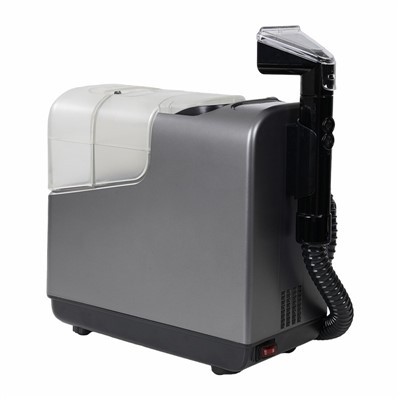
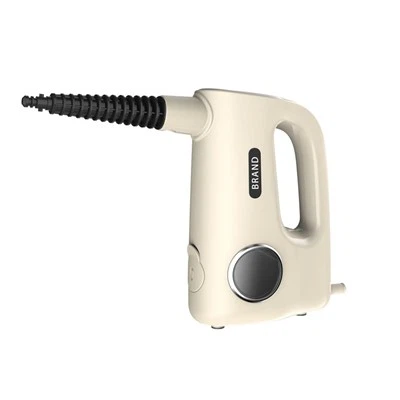
In the bustling world of cleaning, electric cleaning machines have become indispensable tools for both residential and commercial use. As a leading supplier of Electric Cleaning Machines, we understand the importance of not only delivering high - performance equipment but also addressing the concerns related to noise. In this blog, we will delve into the noise reduction technology used in our electric cleaning machines.
The Significance of Noise Reduction in Electric Cleaning Machines
Noise is a major concern when it comes to cleaning machines. In a residential setting, a noisy cleaner can disrupt the peace of the household, especially during early morning or late - night cleaning. In commercial spaces, such as offices or hotels, excessive noise can be a nuisance to employees and guests. Additionally, high - decibel noise can cause long - term hearing damage to the operators of these machines. Therefore, implementing effective noise reduction technology is crucial for enhancing user experience and ensuring safety.

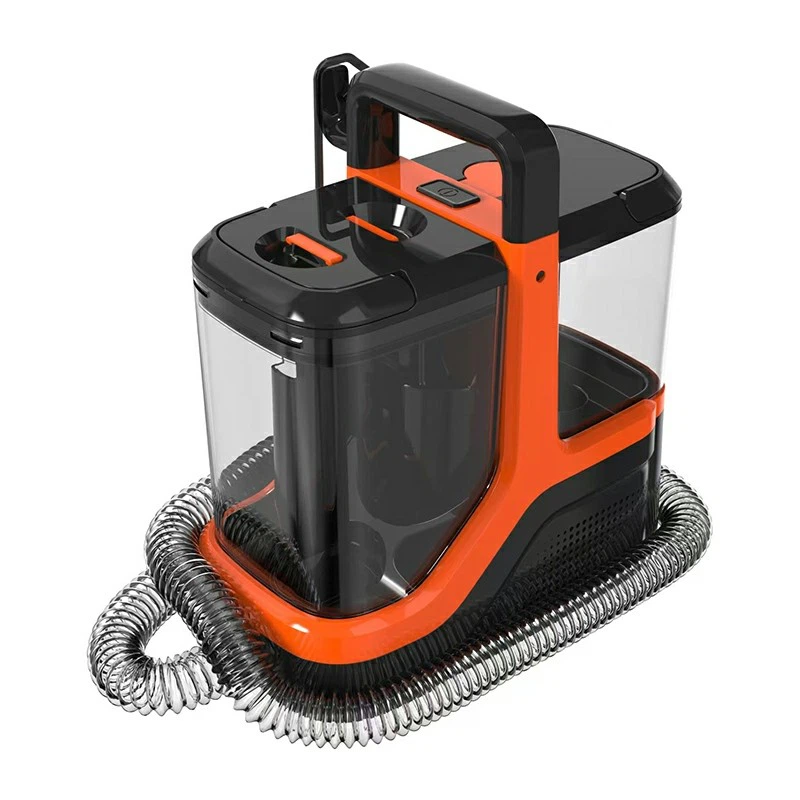
Different Types of Noise in Electric Cleaning Machines
Before we explore the noise reduction technology, it's essential to understand the sources of noise in electric cleaning machines. There are mainly two types of noise: mechanical noise and airflow noise.
Mechanical noise is generated by the moving parts of the machine, such as motors, gears, and bearings. When these components operate, they produce vibrations that are transmitted through the machine's structure and result in audible noise. For example, the motor in a vacuum cleaner rotates at high speeds, and the friction between its internal parts can create a significant amount of noise.
Airflow noise, on the other hand, is caused by the movement of air through the machine. When air is sucked in or expelled, it creates turbulence, which generates sound waves. In a carpet cleaner, for instance, the high - velocity airflow required to extract dirt and moisture from the carpet can produce a loud whooshing sound.
Noise Reduction Technologies in Our Electric Cleaning Machines
1. Sound - Absorbing Materials
One of the most effective ways to reduce noise is by using sound - absorbing materials. These materials are designed to absorb sound waves and convert them into heat energy, thereby reducing the amount of noise that is transmitted to the environment. In our electric cleaning machines, we use high - quality sound - absorbing foams and felts. These materials are placed inside the machine's housing, around the motor, and other noise - generating components. For example, a layer of sound - absorbing foam can be wrapped around the motor to dampen the vibrations and reduce the mechanical noise.
2. Vibration Isolation
Vibration is a major contributor to mechanical noise. To reduce vibration, we use vibration isolation mounts. These mounts are made of rubber or other elastic materials and are placed between the machine's components and the housing. They act as a buffer, absorbing the vibrations and preventing them from being transmitted to the rest of the machine. For example, the motor is mounted on vibration isolation mounts, which reduces the amount of vibration that is transferred to the machine's body, thus minimizing the mechanical noise.
3. Aerodynamic Design
To reduce airflow noise, we focus on the aerodynamic design of our electric cleaning machines. By optimizing the shape of the air intake and exhaust ports, we can reduce the turbulence of the airflow. A smooth and streamlined design allows the air to flow more freely through the machine, reducing the noise generated by the airflow. For example, in our Vacuum Cleaner Power Suction, the air intake is designed in a way that minimizes the resistance to the airflow, resulting in a quieter operation.
4. Motor Design and Control
The motor is one of the main sources of noise in an electric cleaning machine. We use advanced motor design and control techniques to reduce the noise generated by the motor. For example, we use brushless DC motors, which are known for their quiet operation compared to traditional brushed motors. Brushless motors have fewer moving parts, which reduces the friction and vibration, resulting in less noise. Additionally, we use intelligent motor control systems that can adjust the motor's speed according to the cleaning requirements. This not only saves energy but also reduces the noise level when the machine is operating at a lower power.
Benefits of Our Noise Reduction Technology
The implementation of noise reduction technology in our electric cleaning machines offers several benefits. Firstly, it provides a more comfortable cleaning experience for the users. Whether it's a homeowner cleaning their living room or a professional cleaner working in a commercial space, a quieter machine allows for a more peaceful environment.
Secondly, it enhances the safety of the operators. By reducing the noise level, we reduce the risk of hearing damage for those who use the machines on a regular basis.
Finally, it improves the overall quality of our products. A quiet - running cleaning machine is often perceived as a high - quality product, which can enhance our brand image and increase customer satisfaction.
Applications of Our Electric Cleaning Machines
Our electric cleaning machines with advanced noise reduction technology are suitable for a wide range of applications. In the residential sector, they can be used for cleaning carpets, floors, and upholstery. The quiet operation of our machines allows homeowners to clean at any time without disturbing the family.
In the commercial sector, our machines are ideal for cleaning offices, hotels, and restaurants. For example, our Cleaning Business Equipment can be used by professional cleaning companies to clean large - scale commercial spaces. The noise reduction technology ensures that the cleaning process does not disrupt the normal operation of the business.
Our ABS Cold Water Fabric Cleaner is also a popular choice for cleaning fabric surfaces in both residential and commercial settings. The quiet operation makes it suitable for use in areas where noise needs to be minimized.
Conclusion
As a leading supplier of Electric Cleaning Machines, we are committed to providing high - quality products with advanced noise reduction technology. Our machines not only offer excellent cleaning performance but also ensure a quiet and comfortable cleaning experience. Whether you are a homeowner looking for a reliable cleaning solution or a professional cleaner in need of efficient equipment, our electric cleaning machines are the ideal choice.
If you are interested in our products and would like to discuss a purchase, we encourage you to reach out to us. We look forward to working with you to meet your cleaning needs.
References
- "Handbook of Noise and Vibration Control" by Cyril M. Harris
- "Aerodynamics of Internal Flow" by S. K. Som
- "Electric Motor Handbook" by Irving L. Kosow