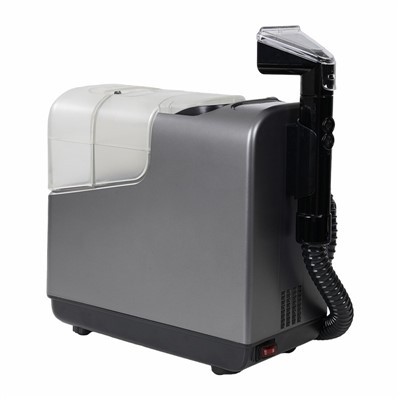
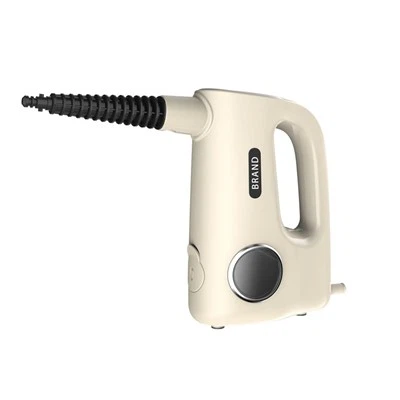
Is it possible to use a garment steamer with suction on wet clothes? This is a question that many people, especially those who are into efficient clothing care, often ask. As a supplier of Garment Steamer with Suction, I'm here to provide a comprehensive answer.
Understanding the Function of a Garment Steamer with Suction
A garment steamer with suction is a revolutionary device in the field of clothing care. It combines the traditional function of a steamer, which uses hot steam to remove wrinkles from clothes, with a suction mechanism. The suction function is designed to quickly remove moisture from the clothes, reducing the drying time and making the steaming process more efficient.
When it comes to wet clothes, the question of whether it can be used becomes more complex. On one hand, wet clothes already have a significant amount of moisture. The suction function of the garment steamer can potentially help in removing this excess moisture. On the other hand, using a steamer on wet clothes might require some adjustments in the operation to ensure the best results.
The Science Behind Using a Garment Steamer with Suction on Wet Clothes
To understand if it's possible to use a garment steamer with suction on wet clothes, we need to look at the scientific principles involved. Steam is created by heating water, and when it comes into contact with the fabric, it softens the fibers, allowing them to be reshaped. The suction part of the steamer works by creating a pressure difference, which draws the moisture out of the fabric.
When dealing with wet clothes, the initial moisture content is high. The steam from the steamer can further add to the moisture in the fabric, but at the same time, the suction can work to remove the excess moisture. However, it's important to note that the temperature and pressure settings of the steamer need to be carefully adjusted. If the steam is too hot, it might cause the fabric to shrink or damage. If the suction is too strong, it could potentially pull the fabric out of shape.
Advantages of Using a Garment Steamer with Suction on Wet Clothes
There are several advantages to using a Garment Steamer with Suction on wet clothes. Firstly, it can significantly reduce the drying time. Instead of waiting for the clothes to air - dry or using a dryer, the suction function can quickly remove the moisture, allowing you to wear the clothes sooner.
Secondly, it can help in better wrinkle removal. The combination of steam and suction can work together to reshape the fabric fibers more effectively. The steam softens the fibers, and the suction helps to pull the fabric into the desired shape, resulting in a smoother and more professional - looking finish.
Potential Challenges and How to Overcome Them
However, there are also some challenges when using a garment steamer with suction on wet clothes. One of the main challenges is the risk of over - wetting the fabric. If the steam output is too high and the suction is not strong enough, the fabric can become even wetter, which defeats the purpose of using the steamer.
To overcome this, it's important to start with a lower steam setting and gradually increase it as needed. Also, make sure the suction is working effectively. You can test the suction by holding a small piece of fabric near the suction opening before using it on the wet clothes.
Another challenge is the potential damage to delicate fabrics. Some fabrics, such as silk or lace, are more sensitive to heat and pressure. When using a garment steamer with suction on these fabrics, it's crucial to use a lower temperature setting and a gentle suction. You can also place a thin cloth between the steamer and the delicate fabric to act as a buffer.
Different Types of Fabrics and Their Suitability
Not all fabrics are suitable for using a garment steamer with suction on wet clothes. For example, cotton and linen are relatively sturdy fabrics that can withstand the steam and suction process well. They are also quick to dry, so the suction function can work effectively to remove the moisture.
On the other hand, synthetic fabrics like polyester and nylon can be more challenging. These fabrics are often more heat - sensitive, and if the steam is too hot, they can melt or deform. When using a garment steamer with suction on synthetic fabrics, it's important to use a lower temperature setting and be more cautious.

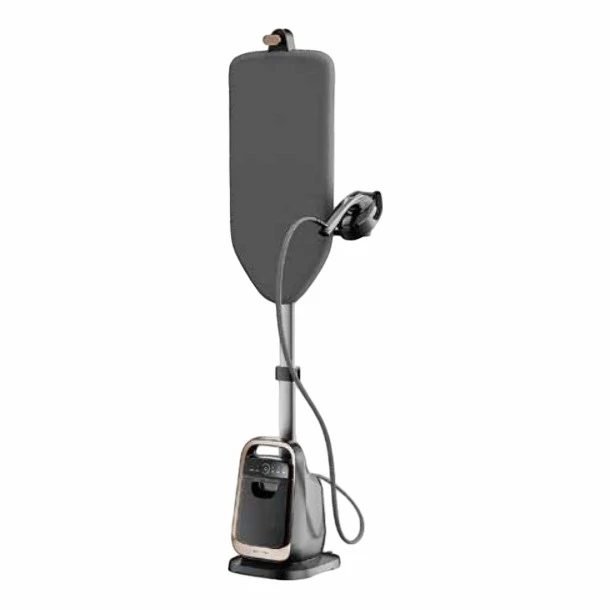
Delicate fabrics such as silk, chiffon, and lace require special care. As mentioned earlier, using a lower temperature and a gentle suction is essential. You may also want to test the steamer on a small, inconspicuous area of the fabric first to ensure there is no damage.
The Role of the Suction Function in the Overall Process
The suction function in a Garment Steamer with Suction plays a crucial role when dealing with wet clothes. It not only helps in removing the excess moisture but also aids in the wrinkle - removal process. By creating a pressure difference, the suction can pull the fabric into a more even shape, making it easier to smooth out the wrinkles.
Moreover, the suction can prevent the formation of water spots on the fabric. When wet clothes are left to dry on their own, water spots can often form, which can be difficult to remove. The suction function helps to evenly distribute the moisture and prevent these unsightly spots from appearing.
Comparison with Other Garment Care Devices
When compared to other garment care devices such as a traditional iron or a regular steamer, a garment steamer with suction has some unique advantages. A traditional iron can be effective in removing wrinkles, but it requires direct contact with the fabric, which can sometimes cause damage, especially to delicate fabrics.
A regular steamer can remove wrinkles without direct contact, but it lacks the suction function. This means that the drying process can be slower, and there is a higher risk of water spots. A garment steamer with suction combines the best of both worlds, providing efficient wrinkle removal and quick drying.
Practical Tips for Using a Garment Steamer with Suction on Wet Clothes
Here are some practical tips for using a garment steamer with suction on wet clothes:
- Sort the clothes by fabric type: As mentioned earlier, different fabrics require different settings. Sorting the clothes by fabric type can help you adjust the steam and suction settings more accurately.
- Pre - test on a small area: Before using the steamer on the entire garment, test it on a small, inconspicuous area to ensure there is no damage.
- Use the right attachments: Most garment steamers with suction come with different attachments for different fabric types. Use the appropriate attachment for the fabric you are working with.
- Keep the steamer moving: To prevent over - wetting or over - heating, keep the steamer moving across the fabric. This will ensure an even distribution of steam and suction.
Conclusion
In conclusion, it is indeed possible to use a Garment Steamer with Suction on wet clothes. However, it requires careful consideration of the fabric type, proper adjustment of the steam and suction settings, and following some practical tips. The combination of steam and suction can provide efficient wrinkle removal and quick drying, making it a valuable tool in clothing care.
If you are interested in purchasing our Garment Steamer with Suction, Suction Garment Cleaner, or Steamer for Clothes and Sheets, we welcome you to contact us for further details and to discuss your specific needs. Our team of experts is ready to assist you in finding the best solution for your clothing care requirements.
References
- "Garment Care Handbook" by Textile Institute
- "The Science of Fabric Care" by Academic Press